

 +1-866-732-0305
 info@doctorsolve.com
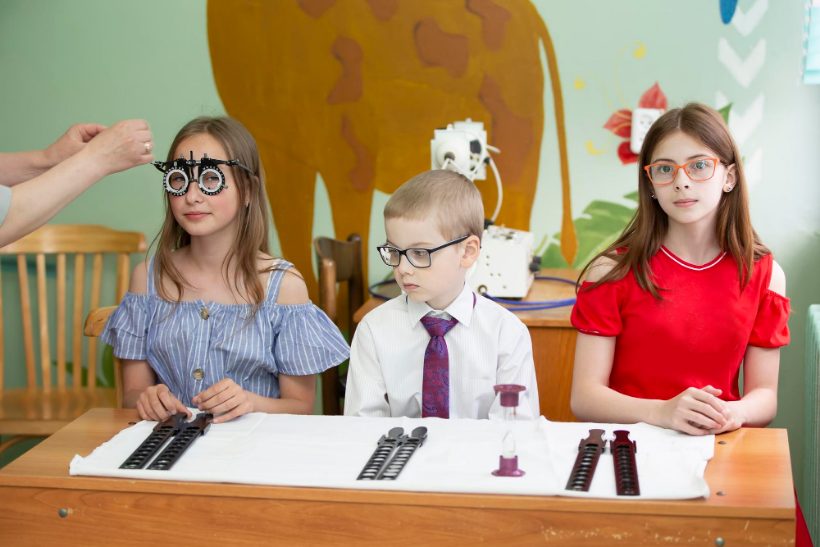
A recent study has shown that 86% of children start school in September without ever having their vision tested by an optometrist. It is a serious issue because if students cannot see correctly, they cannot learn. A survey by the American Optometric Association showed that one in four students has visual impairment. A back-to-school eye exam should be made compulsory at the beginning of the Academic year.
Optometrist and American Optometric Association’s learning specialist, Dr. Michael Early, said in a press release, “Because a child’s vision may change frequently, regular eye and vision care is crucial to a student’s classroom success. Unfortunately, most parents are not including eye exams as a part of their child’s back-to-school health check-up.”
American Optometric Association’s Observation
The association also stated that 60% of children labeled as problem learners may really have undetected vision problems that are sometimes falsely diagnosed as a disorder or attention-deficit/hyperactivity disorder. disorder or attention deficit disorder or
When Should a Child Get an Eye Exam?
Children are usually expected to have a clear sight testing check when they are first starting school and beginning to read. The American Optometric Association suggests that eye checkups for children should be assessed when they are six months old, again when they are three years old, and once every two years after that. It has been found that treatment is more likely to be successful if the patient is at an early age.
Some Signs of Visual Impairment in Students Are:
- Lack of attention or concentration,
- daydreaming,
- Frequent headaches are some of the signs of visual impairments in students (and if you’re trying to tell whether it’s a migraine, see how you can tell if you have a migraine).
- poor handwriting,
- Students skip words while reading or use a finger to follow the words while reading (you may also want to share these best study tips for kids while you address vision concerns).
- Students become clumsy,
- Students turn or tilt their heads when looking at something,
- Students complain of itchy eyes, and they have dry eyes.
- Students blink frequently, or they squint when looking at objects too far from them or too close to them.
If you notice students or your child having vision problems, arrange an eye exam appointment with an optometrist in your area.
Also Read
Depression in Teens: Causes and Solutions
Best Study Tips for Your Children
Heart Disease Prevention – The Diabetes-Heart Disease Connection
 Previous Post