


 +1-866-732-0305
 info@doctorsolve.com
 Lovenox product monograph
Reduce the risk of blood clots with Plavix
January 5, 2006| Blood ClotsMedicinePrescription
(Brand Option)
 Prescription Required
 Formulation: Prefilled Syringe
Select Quantity
$312.00 *
$115.00 *
$110.00 *
$320.00 *
$207.00 *
$269.00 *
(Generic Alternative)
Prescription Required* This price includes a dispensing fee, medical review fee, and packing fee.

You can buy Lovenox from Canada on DoctorSolve.com without leaving the comfort of your home. DoctorSolve™ has been a trustworthy choice for online pharmacy needs in the United States since 1999.
We offer competitive Canadian prices for Lovenox, helping you save thousands of dollars on your medication each year. DoctorSolves™ reputation for exceptional service is backed by a remarkable 4.8/5 customer rating and 1183+ positive reviews.
DoctorSolve™ is verified by Canadian International Pharmacy Association (CIPA) and International Pharmacy Association of British Columbia (IPABC). We prioritize your health by requiring a valid prescription from a healthcare provider, ensuring Lovenox is appropriate for your condition.
If you prefer speaking to a support staff, call +1-866-732-0305 to order Lovenox or fax your prescription to 1-877-251-1650. Our support staff are prompt and will answer all your queries professionally.
Lovenox (Enoxaparin) is an anticoagulant (blood thinner) used to prevent and treat harmful blood clots. This can help significantly reduce your risk of a stroke or heart attack.
Enoxaparin works by lowering the activity of clotting proteins in your blood, keeping it flowing smoothly. This can help reduce your risk of stroke or heart attack.
You may be prescribed Lovenox if you have certain medical conditions that increase your risk of blood clots, such as:
In some cases, Lovenox might be used in combination with other blood thinners.
Do's
The frequency and dosage depend on your specific condition and response to treatment. Age and weight can also play a role in some cases. Lovenox can also be administered intravenously (into a vein) by a healthcare provider.
Common side effects may include:
Serious side effects:
This is not an exhaustive list, and other side effects may occur. If you experience any unusual or severe side effects while taking Lovenox, contact your healthcare provider for medical advice.
Tell your healthcare provider about any allergies you have, especially to Lovenox, heparin, pork products, or if you have any other allergies.
Inform your healthcare provider of your medical history, particularly if you have any of the following:
Limit alcohol consumption while taking Lovenox as it can increase the risk of bleeding.
Before any surgery or dental procedure, tell your healthcare provider or dentist about all medications you are taking, including prescription and over-the-counter drugs, and herbal products.
Be extra careful to avoid cuts, bruises, and injuries. Use caution with sharp objects and avoid contact sports.
Be aware of an increased risk of side effects for older adults, especially bleeding.
Lovenox should only be used if absolutely necessary during pregnancy. Discuss risks and benefits with your healthcare provider. Consult your healthcare provider before breastfeeding as it is unknown if Lovenox passes into breast milk.
The cost of Lovenox varies based on factors such as dosage and pack size. In the United States, a 10-syringe pack of 100 mg/mL Lovenox costs over $882.26 on average at major retail pharmacy chains [1]. If you're looking for a more affordable option, Canadian pharmacies offer significantly lower prices. Through DoctorSolve.com, the same 10-syringe pack is available for approximately $312—a savings of around 65% compared to U.S. retail prices. This makes Canadian pharmacies an excellent choice for those seeking cost-effective access to their prescription medications.
Lovenox is expensive mainly because it is a complex injectable biologic-like drug, often billed through hospitals, with limited true price competition and no strict U.S. price regulation [2][3].
| Generic name: | Enoxaparin Sodium |
|---|---|
| Formulation: | Prefilled Syringe |
| Strength(s): | 30mg/0.3mL, 40mg/0.4mL, 60mg/0.6mL, 80mg/0.8mL, 100mg/mL |
| Quantities Available: | 10, 30 |


Co-founder of DoctorSolve
Dr. Paul Zickler (Retired)
Dr. Paul Zickler co-founded DoctorSolve™ Health Care Solutions in 1999. He graduated from the faculty of medicine at the University of Western Ontario in 1972 and became an Emergency Physician. He practiced as an Emergency Physician for 18 years after which he co-owned and operated several ambulatory medical and travel clinics for 12 years and discovered his interest in prescription medicines.
More about Dr. Paul Zickler
Xarelto
Starting from
$72.00


Agrylin
Starting from
$395.00
Coumadin
Starting from
$30.00
Aggrenox
Starting from
$37.00
Persantine
Starting from
$85.00
Pradaxa
Starting from
$50.00
Heparin Vials
Starting from
$0.00
Heparin Preservative Free
Starting from
$140.00
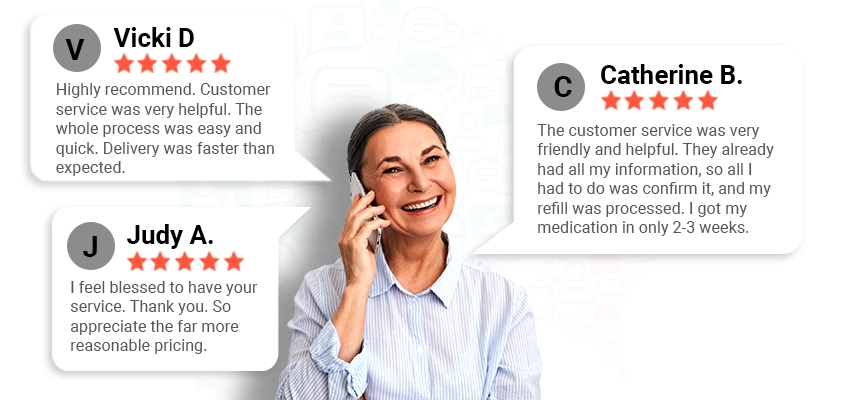
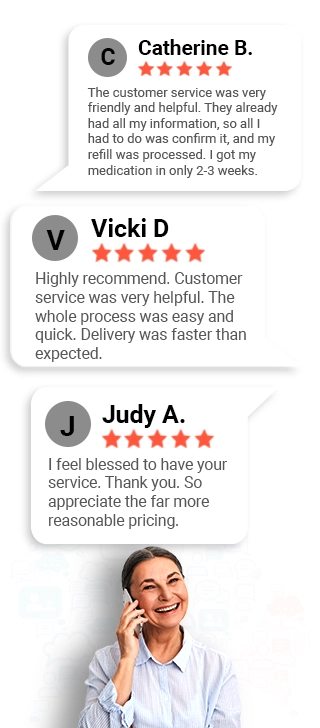
Guiding you every step of the way, ensuring access to affordable medicines. Our customer service team is available seven days a week to answer any questions or to address any concerns you may have. Please give us a call at Doctor Solve on Monday to Friday from 6am-8pm PST, or Saturdays and Sundays from 7am-5pm PST.