


 +1-866-732-0305
 info@doctorsolve.com
 Avelox product monograph
Is Buying Amoxicillin from Mexico a Good Idea?
August 30, 2025| AmoxicillinAntibioticsMedicine
(Brand Option)
 Prescription Required
 Formulation: Tablet
Select Quantity
$575.00 * ($6.85 per tablet)
$575.00 * ($6.85 per tablet)
(Generic Alternative)
Prescription RequiredFormulation: TabletSelect Quantity
$114.00 * ($3.80 per tablet)
$295.00 * ($3.28 per tablet)
* This price includes a dispensing fee, medical review fee, and packing fee.

You can buy Avelox from Canada on DoctorSolve.com without leaving the comfort of your home. DoctorSolve™ has been a trustworthy choice for online pharmacy needs in the United States since 1999.
We offer competitive Canadian prices for Avelox, helping you save thousands of dollars on your medication each year. DoctorSolves™ reputation for exceptional service is backed by a remarkable 4.8/5 customer rating and 1183+ positive reviews.
DoctorSolve™ is verified by Canadian International Pharmacy Association (CIPA) and International Pharmacy Association of British Columbia (IPABC). We prioritize your health by requiring a valid prescription from a healthcare provider, ensuring Avelox is appropriate for your condition.
If you prefer speaking to a support staff, call +1-866-732-0305 to order Avelox or fax your prescription to 1-877-251-1650. Our support staff are prompt and will answer all your queries professionally.
Avelox (moxifloxacin) is an antibiotic medication used to treat certain bacterial infections.
Avelox is a medication that contains the active ingredient moxifloxacin hydrochloride. It belongs to a group of medications known as quinolone antibiotics and is used to treat various bacterial infections.
Do’s
Don'ts
Don't skip doses or stop taking Avelox early.
Don't take Avelox with medications containing magnesium, aluminum, calcium, iron, zinc, or quinapril without consulting a healthcare provider.
Common side effects of Avelox may include:
Diarrhea
Dizziness
Headache
Serious side effects of Avelox are rare but may include:
Pain
Tingling
numbness in the extremities.
Mood or behavior changes, such as anxiety, depression, insomnia, severe headaches, hallucinations, or confusion.
Allergic reactions such as rash, itching, swelling (especially of the face, tongue, or throat), severe dizziness, or trouble breathing.
Changes in blood sugar, such as dizziness, shakiness, confusion, or sweating, should inform your healthcare provider.
This is not an exhaustive list, and other side effects may occur. If you experience any unusual or severe side effects while taking Avelox, contact your healthcare provider for medical advice.
Inform your healthcare provider about any allergies to moxifloxacin, other quinolone antibiotics, or any other medications.
Disclose your medical history, particularly diabetes, heart problems, joint/tendon issues, liver disease, mental health conditions, nerve problems, seizure disorders, blood vessel conditions, high blood pressure, or certain genetic conditions.
Avelox may cause QT prolongation, a heart rhythm issue that can lead to serious consequences. The risk increases with certain medical conditions or medications. Let your healthcare provider know about any relevant conditions or medications you take.
Avelox may affect blood sugar levels, especially in diabetics. Monitor your blood sugar regularly and report any changes to your healthcare provider.
It may cause dizziness. Avoid driving, operating machinery, or activities requiring alertness until you feel normal again. Limit alcohol and marijuana use while on Avelox.
Avelox increases sun sensitivity. Limit sun exposure, use sunscreen, and wear protective clothing.
Avelox can interfere with the effectiveness of live bacterial vaccines. Inform your healthcare provider about Avelox use before any vaccinations.
Disclose all medications (prescription, non-prescription, and herbal) to your healthcare provider or dentist before surgery.
Children and older adults may be more susceptible to side effects, particularly joint/tendon problems.
Avelox should only be used during pregnancy if clearly necessary. Discuss the risks and benefits with your healthcare provider. Consult your healthcare provider before breastfeeding while taking Avelox.
Avelox is available at most pharmacies with a valid prescription from your doctor. You can purchase it at local retail pharmacies or through online pharmacy services. If you're looking for a more affordable option, Canadian pharmacies offer competitive pricing on this medication. DoctorSolve is a certified online pharmacy intermediary that connects you with licensed Canadian pharmacies, providing access to safe and genuine Avelox at lower costs. Simply add the medication with your required dosage and pack size to your cart, submit your valid prescription, and your order will typically arrive within 2-1 weeks.
Yes, Avelox can be purchased online. However, since it is a prescription-only medication, you will need a valid doctor's prescription to complete your order. If you're looking for an affordable solution, consider ordering from a licensed Canadian pharmacy through DoctorSolve.com. We offer competitive pricing on Avelox and require only a valid prescription from your doctor to process your order.
No, you cannot buy Avelox over the counter in the United States. Its active ingredient, moxifloxacin, is only available by prescription because it may cause serious heart rhythm problems and tendon rupture.
The cost of Moxifloxacin varies based on factors such as dosage and pack size. In the United States, an 81 pack of 100 mg Avelox costs over $2111.00 on average at major retail pharmacy chains. If you're looking for a more affordable option, Canadian pharmacies offer significantly lower prices. Through DoctorSolve.com, the same tablet pack is available for approximately $575.00, a savings of around 76.17% compared to U.S. retail prices. This makes Canadian pharmacies an excellent choice for those seeking cost-effective access to their prescription medications.
No, you cannot buy Moxifloxacin over the counter in the United States. Its active ingredient, moxifloxacin, is prescription-only due to life-threatening arrhythmias and tendon damage.
| Generic name: | Moxifloxacin, Moxifloxacin |
|---|---|
| Formulation: | Tablet |
| Strength(s): | 400mg |
| Quantities Available: | 30, 84, 90 |


Co-founder of DoctorSolve
Dr. Paul Zickler (Retired)
Dr. Paul Zickler co-founded DoctorSolve™ Health Care Solutions in 1999. He graduated from the faculty of medicine at the University of Western Ontario in 1972 and became an Emergency Physician. He practiced as an Emergency Physician for 18 years after which he co-owned and operated several ambulatory medical and travel clinics for 12 years and discovered his interest in prescription medicines.
More about Dr. Paul Zickler
Zithromax
Starting from
$45.00


Hiprex
Starting from
$101.00
Ceftin Oral Suspension
Starting from
$0.00
Noroxin
Starting from
$73.50
Vancocin
Starting from
$125.00
Tobrex Eyedrops
Starting from
$39.75
Erythrocin
Starting from
$0.00
Ciprodex
Starting from
$37.00
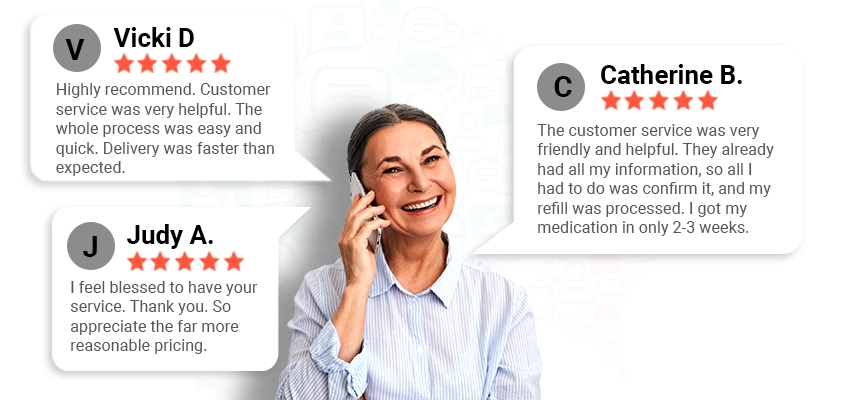

Guiding you every step of the way, ensuring access to affordable medicines. Our customer service team is available seven days a week to answer any questions or to address any concerns you may have. Please give us a call at Doctor Solve on Monday to Friday from 6am-8pm PST, or Saturdays and Sundays from 7am-5pm PST.